Prologue
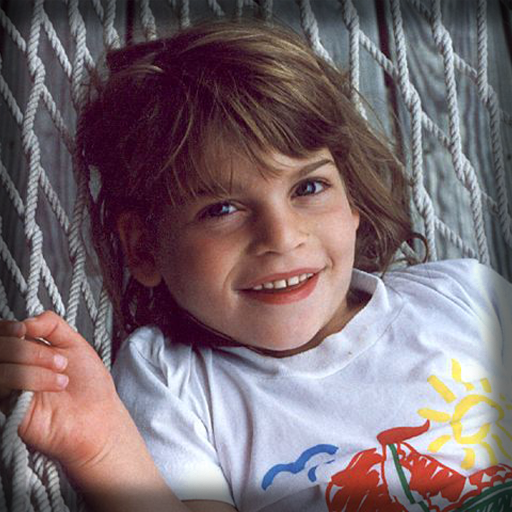
In this prologue to the Hope Scenarios: Focusing the Lens On Rare Disorders, Louise Tiranoff, the show’s director, and founder of GeneticaLens, provides a brief history of The Angelman Project, a database of video about Angelman syndrome, a rare genetic disorder, and how her god daughter’s diagnosis sparked the idea of using video to document rare disorders.
Season 1: Sam
In Season 1 of the Hope Scenarios: Focusing the Lens on Rare Disorders, we meet Sam, a young woman living with familial dysautonomia an ultra-rare disorder primarily affecting Ashkenazi Jewish populations that severely impacts the functioning of the autonomic nervous system, which has far reaching implications for those diagnosed with it.
Ep 1 – Solving A Mystery: Diagnosing Familial Dysautonomia
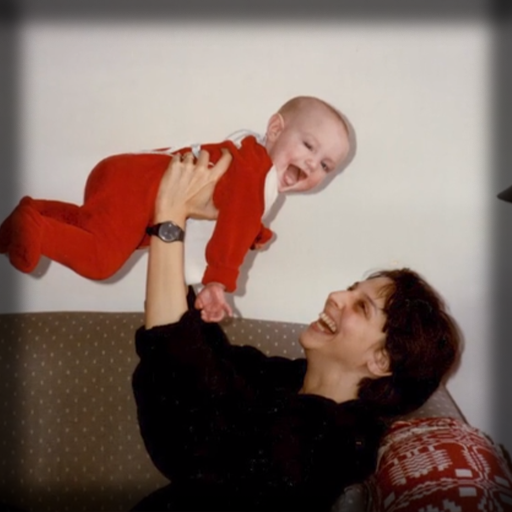
Only a few weeks after her daughter Sam’s birth, Faye knew that something was wrong. Sam was having trouble feeding, and would not gain weight. After months of searching for answers and numerous misdiagnoses, they met Dr. Felicia B. Axelrod, at New York University Medical Center, who after a series of simple tests, knew exactly what was wrong: Sam had familial dysautonomia.
Ep 2 – Staying Alive: Daily Living with FD
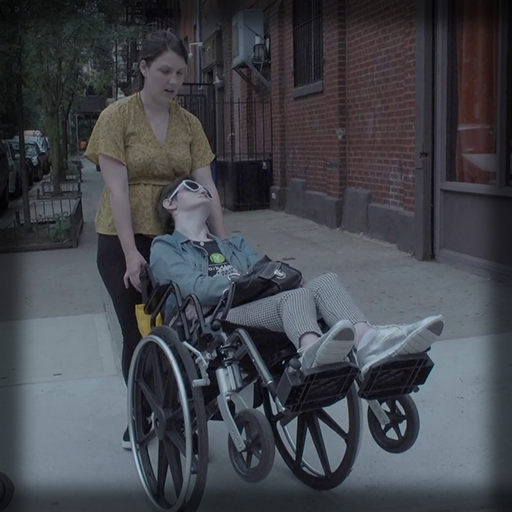
For Sam, routine things that most of us don’t have to think about, like eating, breathing, and regulating blood pressure, are a daily struggle. In this episode, we will see how familial dysautonomia’s wide range of symptoms impact Sam in her everyday life.
Ep 3 – Out In The Community: Sam’s Physical Therapy with Dr. Ling
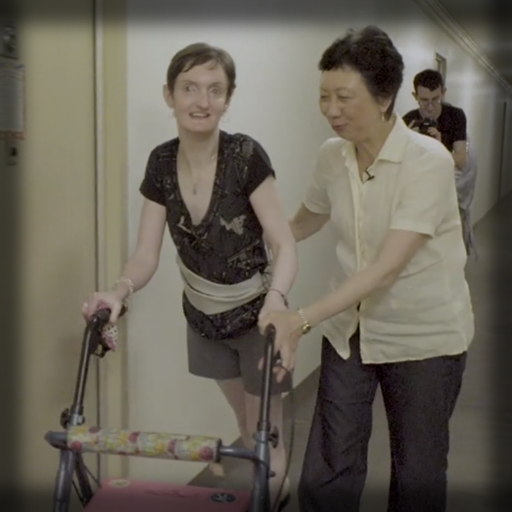
Wen K. Ling, PhD., chair of the department of physical therapy at New York University, has known Sam since she was a baby. Dr. Ling’s approach to physical therapy involves not just working on Sam’s ability to walk and balance, which is significantly impaired by familial dysautonomia, but also on making sure Sam can get out of the house and remain connected to her community.
Ep 4 – Lean on Me: Sam’s Personal Support Systems
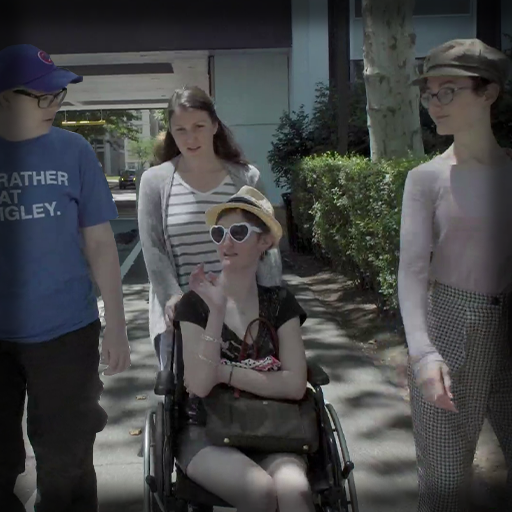
Sam, Keshi, and Amanda are the epitome of good friends. Keshi also has FD. The three friends have known each other since childhood – they are supportive, always there for each other, and always laughing. Together they show us how our close relationships can help deal with serious, life altering situations and make all the difference in battling a disease as challenging as FD.
Ep 5 – Measuring Outcomes: Developing a Natural History of FD
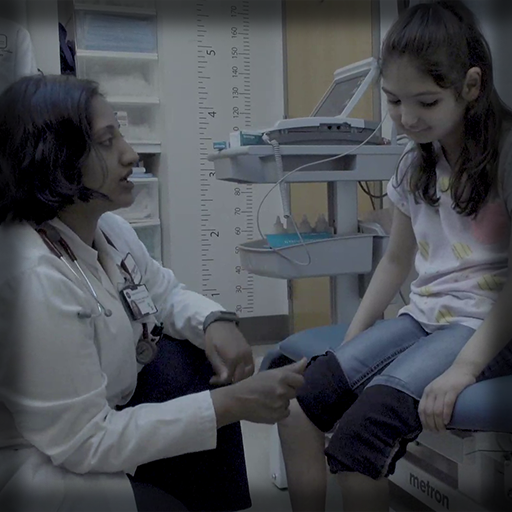
In this episode, we take a short break from learning about Sam’s life to venture over to the Dysautonomia Center at New York University’s Langone Health, where Dr. Horacio Kaufmann, Dr. Lucy Norcliffe-Kaufmann, and others are working on an endeavor that is of critical importance to the FD community. They are conducting a natural history study to better understand the progression of familial dysautonomia. Doing this will allow them to more precisely measure the rate at which an individual’s condition is improving or deteriorating, which is a key to creating what everyone is looking for: a cure.
Ep 6 – Sam’s Mission: Advocacy and the FD Community
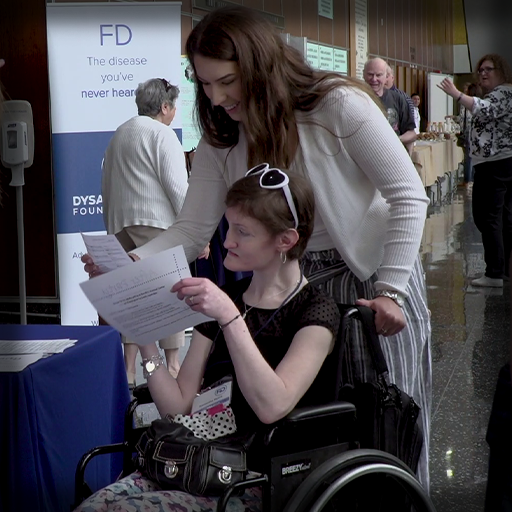
In the final episode of this season, we follow Sam to the annual FD Day Conference, where hundreds gather to learn about research progress, discuss current therapies, and connect over their experiences. Back at the Media Lab – Sam and the film crew reflect on the summer spent working on the film, and look toward the future.
Season 2: Epiphany
In Season 2 of the Hope Scenarios, we follow Epiphany. A talented actress, producer, and director, Epiphany expresses herself passionately both on and off the stage. She’s an active member of her community, advocating for justice and fairness. She is the founder of a theater company, and writes and directs plays and performances. Without knowing her, you’d never guess that along with all her achievements, Epiphany is also battling sickle cell disease. She is a Sickle Cell Warrior. Affecting around 200,000 people in the US, sickle cell disease is an inherited blood disorder that causes red blood cells to become misshapen, which can have devastating effects throughout the body, including severe pain episodes, swelling, vision problems, and frequent infections. This season is an in-depth look into how Epiphany lives her life, and advocates for the problems facing the sickle cell community.
Ep 1 – “Sickle Cell Warrior”: Living with Sickle Cell Disease
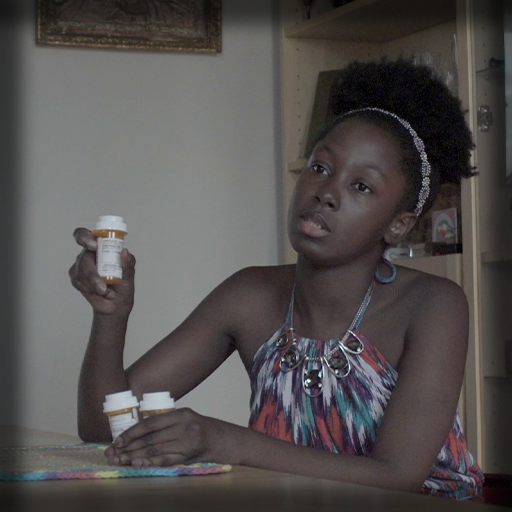
Sickle cell crises are the acute episodes of intense pain that can be triggered by anything from extreme temperatures, mild illnesses, physical exertion, and more. As a sickle cell warrior, Epiphany needs to plan her day carefully, and strategize to prevent these crises, all while continuing to live her busy life as a producer/performer.
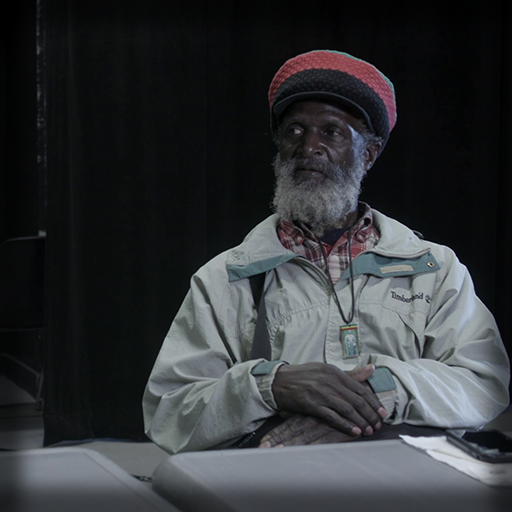
Ep 2 – “A Leader, Not A Follower”: Epiphany’s Family Empowers Her
In this episode, we meet Epiphany’s father and look back to the past to learn about their family. Epiphany and her father’s stories of her brother and mother are full of love, loss, and hope, and provide a deeper understanding of how rare diseases do not just impact the person with the disease, but many others around them.
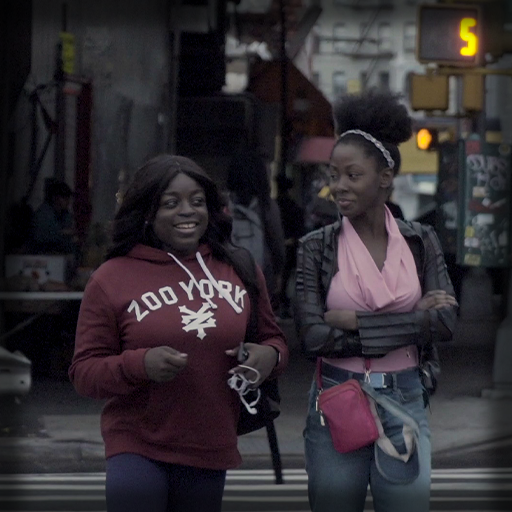
Ep 3 – “She Gets Me”: Epiphany’s Friend Dorothy
Epiphany and Dorothy have a bond forged through shared experiences and complementary personalities, but their close friendship can also cause tension, as their different ways of dealing with their rare diseases are sometimes at odds.
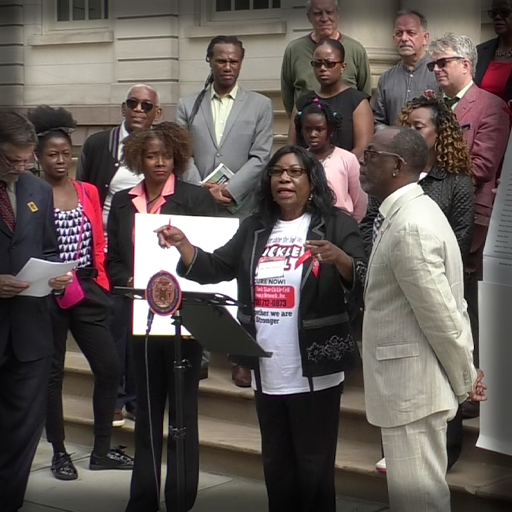
Ep 4 – “We Are Parents, We Are Families”: The Women on the Front Lines of Patient Advocacy
It takes hard work, passion, and persistence to make real positive change in the world, but despite dealing with the symptoms of sickle cell either themselves or in their family, Gloria Rochester, Ginger Davis, and Cassandra Dobson continue to fight everyday to improve the lives of people in the sickle cell community. Their stories are an inspiration to anyone struggling in the fight against injustice and inequality.
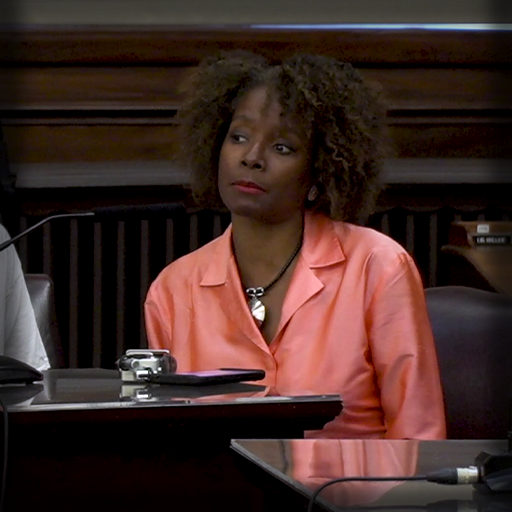
Ep 5 – “Suffering in Silence and Dying Young”: Testifying For Our Lives
Despite the devastating impact that sickle cell has on hundreds of thousands of people across the country, the disorder has received far too little national attention and resources. Advocates argue that even small amounts of investment could have an enormous impact, but they face an uphill battle to pass the bills that would allocate the resources they need, leading many in the community to feel that neglect, prejudice, and ignorance are costing many people their health and lives.
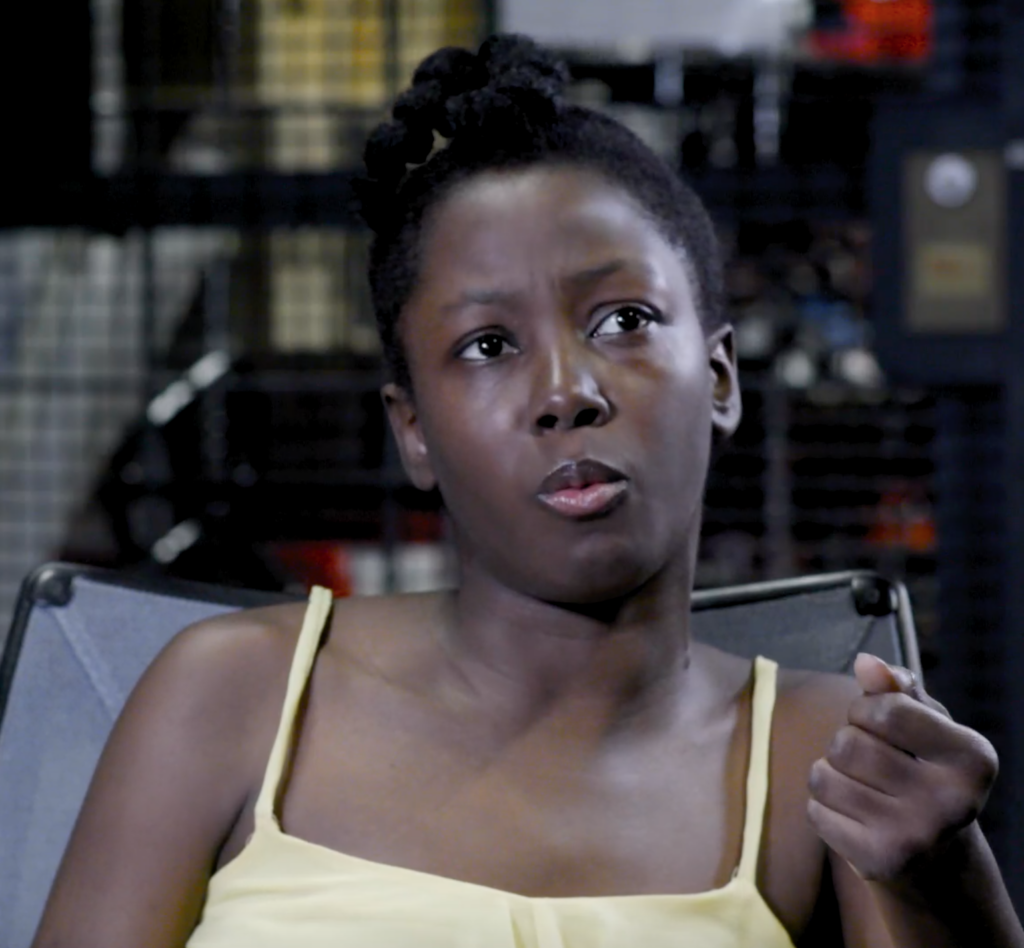
Ep 6 – “Peace, Love, and Healing”: Onstage Epiphany
The final episode of this season shows the challenges that has faced as a performer dealing with sickle cell disease. It explores her complex relationship with the theater, which can both be a healing, uplifting home to her, and a risky balancing act where physical and mental triggers threaten to spark a sickle cell crisis. In this emotional final episode, Epiphany reflects on this struggle, and explains what she believes the power of the arts can do, for herself, and others.